Mould in a Rental: Whose Job Is It to Fix, Yours or the Landlord's?
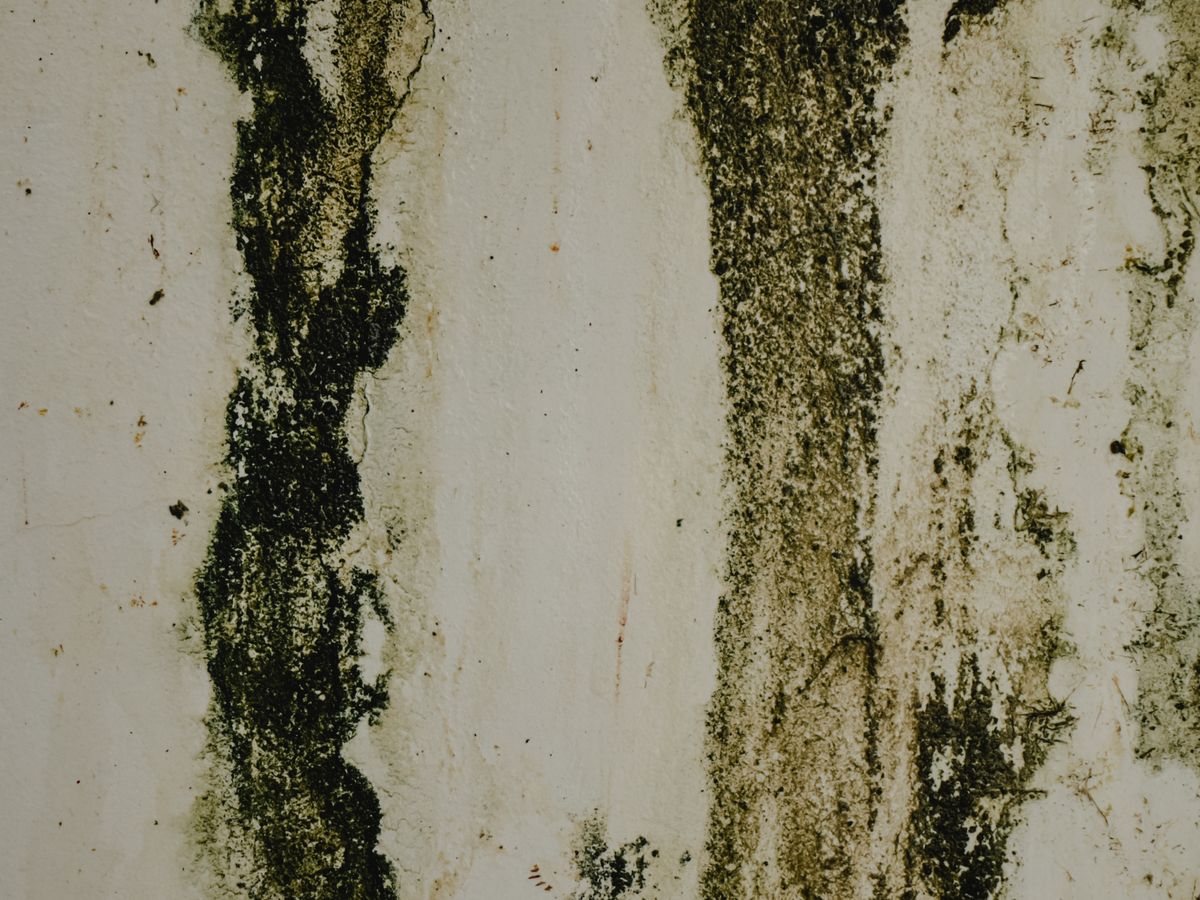
Mould in a rental turns into an argument about blame faster than almost any other maintenance problem, because both sides are half right. Landlords point out that tenants generate the moisture: cooking, showering, drying washing inside. Tenants point out that the house was cold and damp before they moved a single box in. The law resolves this by looking at cause, and since 1 July 2025 the landlord's side of that question has a fixed answer. Every private rental in New Zealand now has to meet the healthy homes standards in full. The old arrangement, where compliance was only triggered within a window after a new or renewed tenancy started, ended on that date. A landlord renting out a non-compliant property today is in breach from day one, and that changes how a mould dispute plays out.
What the landlord now has to provide, in numbers
The healthy homes standards cover five things: heating, insulation, ventilation, moisture ingress and drainage, and draught stopping. Two of the five exist specifically to stop the conditions mould needs, and they're written as measurable specs, not vibes. That matters in a dispute, because you can check your own rental against them this afternoon.
| Standard | What it requires |
|---|---|
| Ventilation | Openable windows, doors or skylights in each habitable room totalling at least 5% of that room's floor area, and each must stay fixed in the open position |
| Kitchen extraction | An extractor fan venting outside; fans installed after 1 July 2019 need a 150mm diameter (including ducting) or an exhaust capacity of at least 50 litres per second |
| Bathroom extraction | An extractor fan venting outside; fans installed after 1 July 2019 need a 120mm diameter or at least 25 litres per second |
| Moisture ingress and drainage | Efficient drainage with gutters, downpipes and drains for stormwater, surface water and ground water, plus a ground moisture barrier under an enclosed subfloor where reasonably practicable |
Older extractor fans don't need to meet the newer specs, but they do have to vent to the outside of the house and be in good working order. A bathroom fan that pushes steam into the ceiling cavity fails the standard, and a landlord who leaves it that way is feeding the exact problem a tenant then gets blamed for. Tenancy Services also states the baseline plainly: a rental must be free from mould and dampness before it's rented out at all.
What stays the tenant's job
The tenant's obligations haven't changed, and they're not trivial. Tenancy Services' guidance on mould and dampness puts three things on the tenant: keep the house clean and tidy, keep it aired, and remove mould as soon as it appears. Airing means opening windows when you can, running the extractor fans while cooking and showering, wiping condensation off windows, and drying washing outside rather than on a rack in the lounge. Surface mould on a bathroom ceiling or a window frame is routine cleaning, the same category as wiping the shower glass, and a tenant who lets it spread for months can't hand the whole problem back to the landlord.
The line sits at cause. Mould that keeps returning to a wall with no leak, in a house that meets the standards, while windows stay shut and washing dries indoors, points at how the house is being lived in. Mould that comes back a week after every clean, tracks a ceiling stain, or blooms in a room with no extractor fan and a window painted shut points at the building. Tenancy Services' guidance splits the duties along the same line, which is why a dispute nearly always comes down to evidence about cause rather than photos of the mould itself.
What actually happens when it reaches the Tribunal
Landlords who ignore the standards are getting caught in two ways. The Ministry of Business, Innovation and Employment's Tenancy Compliance and Investigations Team runs proactive assessments, not just complaint responses: close to half of the roughly 1,100 assessments it did in 2024 found healthy homes breaches, and in the first half of 2025 it completed more than 900 with breaches in about 270 cases. The penalty for a breach runs up to $7,200, and 1News reported MBIE's position that larger landlords, those with six or more properties, face penalties of up to $50,000.
The second route is a tenant taking the landlord in directly, and a recent Auckland case shows what that looks like when mould is the core of it. In April 2026, RNZ reported a Tribunal decision ordering an Auckland landlord to pay around $13,000 to a pregnant tenant whose family had been living with mould through the house, damp exposed insulation, and rat droppings falling into a cupboard where they stored linen. Doctors wrote that it was not "medically appropriate" for the family to stay, and a February 2026 healthy homes assessment found the property failed the insulation, moisture ingress and drainage, and draught stopping standards. The adjudicator found the landlord had committed an unlawful act by failing to maintain the premises, and identified the building itself, a damp block wall on the bottom storey with mould growing through the paint, as the main issue. For the blame argument, that's the pattern worth noticing: the case turned on the state of the building, not on how the tenant cleaned.
The backdrop to all of this is that rentals genuinely are damper than owned homes. The Environmental Health Intelligence NZ analysis of 2023 Census data, published in July 2025, found rental households were more than twice as likely as owner-occupied ones to report dampness (29.2% versus 13.1%) and mould (22.9% versus 9.9%).
If you're the tenant: the sequence that works
Photograph the mould, note the conditions around it (no extractor fan, blocked gutter, water stain), and raise it with the landlord in writing. If nothing happens, the formal step is a written notice giving the landlord 14 days to fix the issue; after that, the Tenancy Tribunal. Check the healthy homes compliance statement in your tenancy agreement and compare what it claims against the specs in the table above. A tape measure and the floor-area maths on your bedroom windows is genuine evidence, not pedantry.
Keep doing your half while the dispute runs. A tenant who stops ventilating and cleaning to prove a point hands the landlord the shared-responsibility argument at the Tribunal.
When cleaning is the right fix, and when it's money down the drain
Hiring a cleaner deals with mould the way wiping a bench deals with crumbs: correctly, and only until the source produces more. For surface mould in a compliant house, a one-off deep clean of bathroom ceilings, window frames and wardrobe corners is a sensible job to book through Servy's cleaning listings, and it's a standard part of an end of tenancy clean where mould on fittings can cost you bond money. But if the cause is a failed standard, paying to clean it monthly is subsidising the landlord's non-compliance. Fix the cause first, then clean what's left, in that order.
Sources:
- Mould and dampness, Tenancy Services
- Healthy homes standards final deadline: 1 July 2025, Tenancy Services
- Ventilation standard, Tenancy Services
- Moisture ingress and drainage standard, Tenancy Services
- Deadline for Healthy Homes: What tenants and landlords need to know, 1News
- Auckland landlord ordered to pay $13k over mouldy rental, RNZ
- Dampness and mould in New Zealand households: a tenure-based analysis, EHINZ, July 2025