Rubbish Removal in Auckland: The New Bin System, Illegal Dumping Fines, and a Free Option Most People Skip
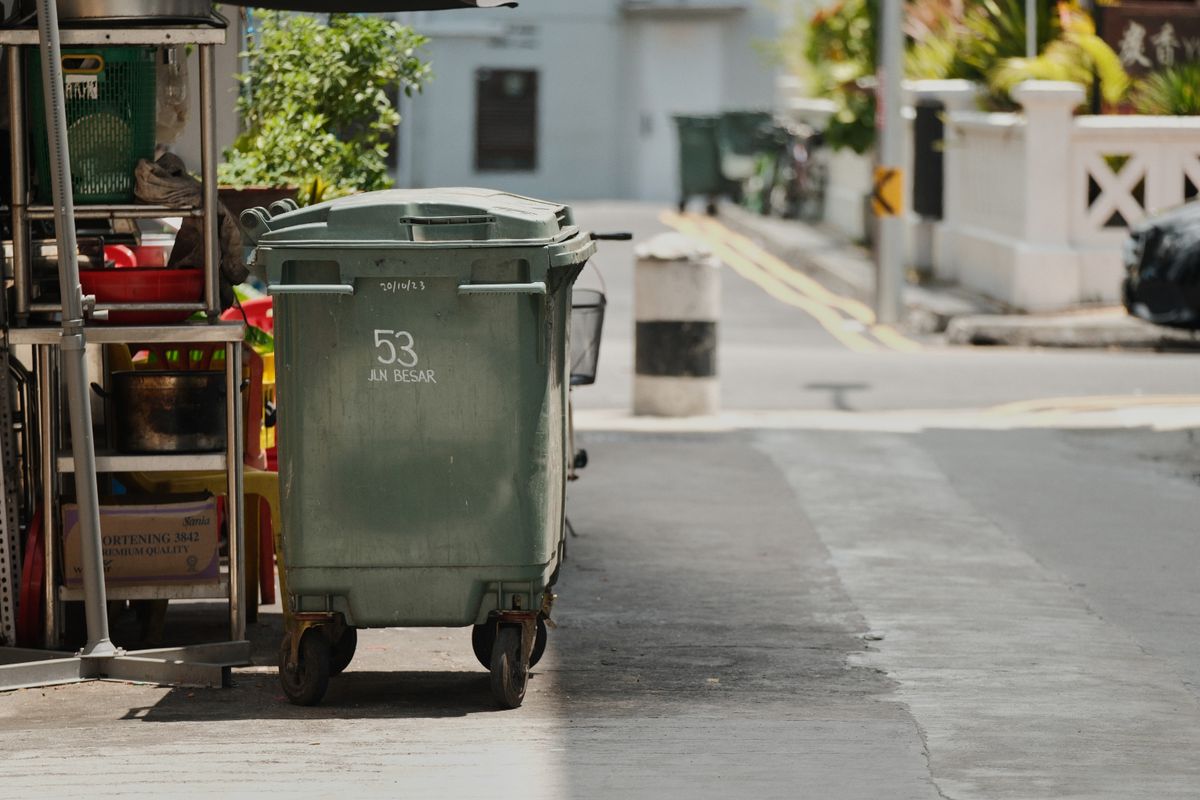
Two things about rubbish in Auckland changed enough in the past two years that a lot of existing advice is out of date. First, most of the region has moved off prepaid bin tags and bags onto rates-funded wheelie bins, area by area, on a rolling schedule that only finished this year. Second, Auckland Council has shifted illegal dumping enforcement from occasional warnings to what it's publicly calling a zero-tolerance approach, and the fine structure behind that is more specific, and lower at the entry level, than the $30,000 headline figure most articles lead with.
The bin system changed under most people's feet
If you've lived in Auckland a while, you probably remember buying prepaid rubbish bags or bin tags. That system is gone for most of the region. Waitākere (West Auckland) moved to rates-funded bins from 2 December 2024, followed by North Shore on 3 March 2025, Franklin on 30 June 2025, and Rodney on 1 September 2025, joining Auckland central and Manukau, which already ran a rates-based service. Bags and tags are still sold in rural areas and parts of the city centre where wheelie bins aren't practical, but everywhere else, the pay-per-bag model is finished. Under the new system a standard 120-litre bin costs $203.41 a year on rates, with an 80-litre option at $169.04 and a 240-litre option at $337.62, so the choice that used to happen at the supermarket checkout each week now happens once, when you pick a bin size. If you're renting or just moved, it's worth checking which system your specific address is on before you assume bin tags still work, since the rollout finished on a different date in each part of the region.
What illegal dumping actually costs
Most coverage of Auckland's dumping fines quotes the $30,000 maximum penalty and stops there. That figure is real, but it's the ceiling for prosecution under sections 13 and 14 of the Litter Act 1979, reserved for serious or repeat offending, not what shows up on an infringement notice for a typical dumped mattress or renovation pile. Auckland Council's actual infringement scale is tiered by volume:
| Amount dumped | Infringement fine |
|---|---|
| Up to 1 litre | $100 |
| 1L to 20L | $150 |
| 20L to 120L | $250 |
| Over 120L, or hazardous/offensive litter | $400 |
| Any repeat offence within 365 days | $400 flat |
Council issued 599 infringement fines in the 2024-25 financial year, nearly double the 309 issued the year before, out of 24,235 illegal dumping reports it received that year, up from 16,681 the year before that. Council officials have cautioned that the jump in reports partly reflects more people reporting dumping rather than more of it happening. Either way, the region loses an estimated 2,000 tonnes of waste to illegal dumping a year, costing ratepayers $2 to $3 million to clean up, and only a small fraction of it ever gets tied to a specific fine because nobody's identified.
You can be liable even if you didn't do the dumping yourself
A November 2025 case out of Māngere is worth knowing about if you ever lend a vehicle, run a small crew, or hire one. A cul-de-sac in the suburb had become enough of a persistent dumping target that council contractors were called out 55 times between February and October 2025 to clean it. Camera footage caught the occupants of a vehicle dumping waste there in June 2025, but it was the registered owner of that vehicle, not the people caught on camera, who ended up prosecuted, fined $750 plus costs, after refusing to identify who'd actually done it. Auckland Council can and does pursue the registered owner of a vehicle used in dumping when the owner won't name the driver. If you're hiring a general labour or rubbish removal job that involves someone else's vehicle, that liability chain is a reason to ask, plainly, where the waste is actually going before the job starts, not after a council camera has already logged the plate.
The free option most households never book
Every Auckland property that pays the waste management rate is entitled to one inorganic collection a year at no extra cost, for large household items that don't fit the regular bin: old furniture, appliances, mattresses. Each area gets an allocated collection week annually, and bookings open well ahead of that week and close eight days before it, through the council's online booking tool, at a library, or by phone. Collected items get sorted and, where usable, redistributed to charities and community organisations rather than going straight to landfill. A lot of people either don't know it exists or assume it costs extra. It's the legal, free alternative to paying someone to quietly take a trailer-load away, which is exactly the kind of job that sometimes ends up as the dumped pile a neighbour reports.
What this means if you're hiring the work out
For anything bigger than what your bin or the annual inorganic collection can handle, a General Labour job clearing a garage, a rental turnover, or a renovation pile, the legal disposal question is worth asking upfront: where the waste is going, and whether that's a legitimate transfer station or council facility rather than a spot the person doing the job would rather not name. Given how the Māngere case played out, that question matters as much for whoever owns the vehicle doing the hauling as for whoever's paying for the job.
Servy's General Labour listings cover rubbish and junk removal work. Ask any provider how they're disposing of what they take, and if your load is close to what a bin can hold, check your area's inorganic collection window before paying someone to haul it away. (On the hiring side generally — what a cash price does and doesn't change, and what "insured" actually covers — see our guide to cash jobs versus invoices when hiring home help.)
Sources:
- Standardising rubbish collections, OurAuckland
- Franklin moves from rubbish bags to bins, OurAuckland
- Rodney's rates-funded rubbish collection, Auckland Council
- Rubbish, recycling and food scraps bins and charges (mainland), Auckland Council
- Fines for rubbish dumping and littering, Auckland Council
- Auckland vehicle owner refuses to name illegal dumpers, fined $750, 1News
- Illegal dumping: Auckland Council receives more than 24,000 reports, 1News
- Book your inorganic collection and give preloved items a second life, OurAuckland
- Book your inorganic collection, Auckland Council