Boundary Fences in Auckland: Who Pays, How Tall, and What the Act Doesn't Cover
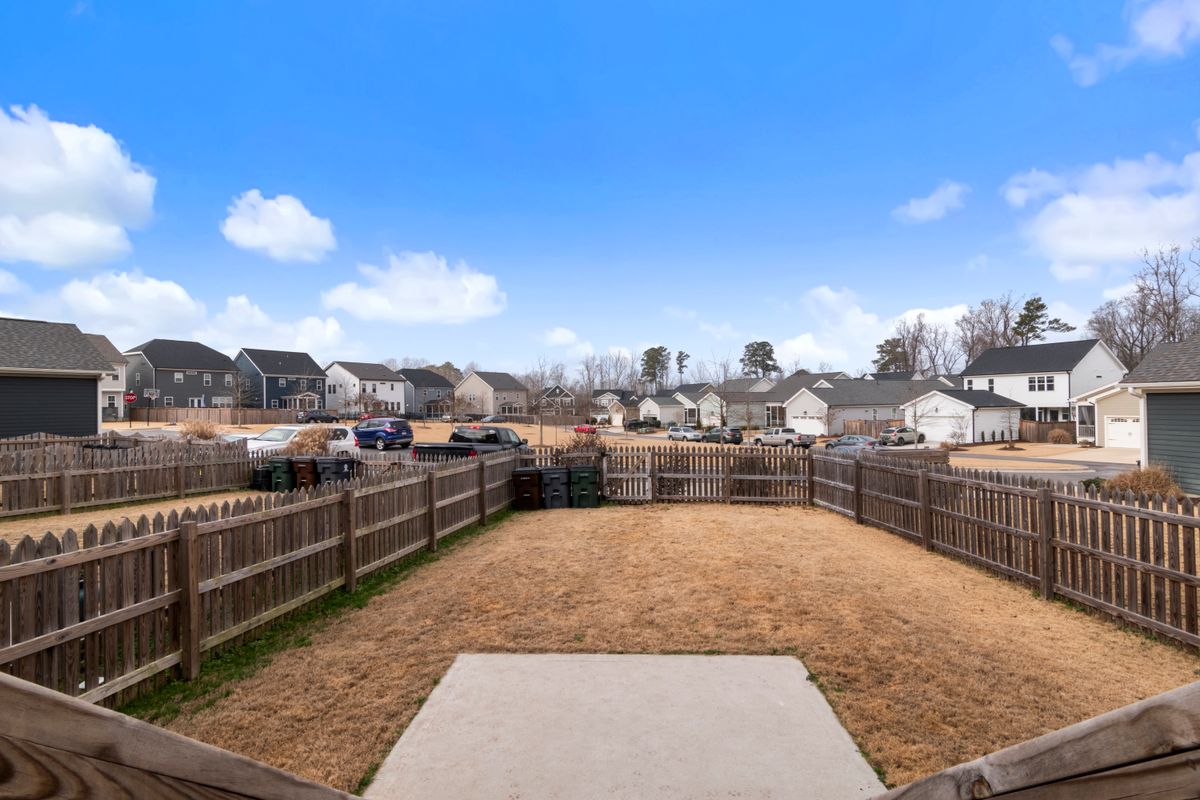
Under the Fencing Act 1978, if a boundary fence needs building or repairing, the default is that you and your neighbour split the cost equally, regardless of whose idea it was or who benefits more from a better one. That much shows up in most advice on the topic. What gets left out more often: the Act's definition of a fence doesn't stretch to retaining walls, its cost-sharing rule has nothing to do with how tall you're allowed to build, and if your property is cross-leased, the person whose sign-off you actually need might not be the neighbour on the other side of the fence line.
The default rule, and how you're meant to trigger it
Section 9 of the Act splits the cost of erecting, replacing, or repairing a boundary fence equally between "occupiers" of the adjoining land, an occupier being the owner or a tenant on a lease longer than 10 years. That obligation is capped: you're not liable for more than half the cost of an "adequate" fence, defined in section 2 as one that's reasonably satisfactory, in its nature, condition, and state of repair, for the purpose it serves. Want something more expensive than that standard, decorative timber instead of a plain paling fence, say, and you cover the difference yourself.
The Act also sets out how you're meant to raise it. Serve your neighbour a fencing notice describing the work and proposed cost split; they have 21 days to respond with a cross-notice objecting or countering, and if they don't, they're deemed to have agreed. Practically, most fences in Auckland get built on an informal agreement over the back fence, but the formal notice matters if your neighbour won't engage, because it's what turns "we should really do something about this fence" into an enforceable cost-sharing obligation. You're not liable for anything done before a notice is served, or done after a cross-notice is served while the disagreement is still being worked through.
Retaining walls aren't fences under this Act
The Fencing Act's definition of a fence doesn't automatically cover retaining walls, even ones sitting directly on a boundary. Retaining walls are governed by a separate strand of law: a common-law "right of support" that stops a landowner from removing existing ground support without replacing it, rather than the Act's equal-cost default. If a retaining wall on or near your boundary needs replacing and your neighbour won't agree to split the cost, you're not automatically entitled to the same 50/50 outcome the Fencing Act gives you for an ordinary fence, and it's a genuinely more complicated area to sort out without legal advice. Separately, a retaining wall holding back more than 1.5 metres of ground needs a building consent regardless of who's paying for it.
How tall you can actually build
The Fencing Act says nothing about height, and Auckland has its own rules layered on top of the general national ones. Under the Building Act, most fences up to 2.5 metres don't need a building consent at all. Auckland's Unitary Plan is stricter in one specific spot: in residential zones, a front boundary fence is generally capped at 1.2 metres for the first 3 metres back from the road frontage, rising to 2 metres beyond that, for sightline and streetscape reasons rather than safety. Special character areas and heritage overlays can tighten this further. None of this changes who pays under the Fencing Act, but it does mean a fence your neighbour has agreed to split the cost of can still put you offside with council if you build it to a height your zone doesn't allow. Check your property's zoning before finalising a design, not after the posts are in the ground.
Swimming pool barriers sit entirely outside this. Since the Building (Pools) Amendment Act 2016 folded pool safety into the Building Act, any residential pool capable of holding 400mm or more of water needs a compliant barrier and a building consent for that barrier, independent of ordinary fence height exemptions. A boundary fence that happens to enclose a pool doesn't get a free pass just because it's also a normal fence.
Cross-lease sections complicate who you're actually asking
Auckland has a higher concentration of cross-lease properties than most of the country, and the Fencing Act's neighbour-to-neighbour framework doesn't map cleanly onto them. On a cross-lease title, the underlying land is owned jointly by everyone on the title, with each owner holding a leasehold interest in their own exclusive area. Most cross-lease documents include a covenant requiring written consent from all owners on the title, not just the person next to the fence, before building work on shared or common areas, consent that can't be unreasonably withheld even where the lease is silent on the point, under the Property Law Act 2007. A fence along a shared driveway or a boundary that touches a common area can mean you need agreement from people who aren't your immediate neighbour at all. Check the certificate of title before you serve a fencing notice on a cross-lease property, so you're not partway through an agreement with the wrong person.
When you can't agree
Fencing disputes go to the Disputes Tribunal under section 24A of the Act. The Tribunal's general monetary jurisdiction doubled to $60,000 in January 2026, and fencing claims fall under that same jurisdiction; a fair amount of fencing advice still online quotes the pre-2026 $30,000 figure, or older $15,000/$20,000 figures from before an earlier increase, because it hasn't been updated since. It's worth knowing which figure is current before you assume a claim is too small, or too large, for the Tribunal to hear.
Fencing and boundary questions aren't a niche complaint. RNZ reported in 2025 that Citizens Advice Bureau fields more than 2,600 enquiries on fences and boundaries a year, close to half of everything it hears about neighbour disputes generally. Most of those never reach a tribunal; they get resolved, or they don't, over a conversation at the letterbox. (The other big source of boundary friction is trees — if that's your situation, see what you can and can't legally do about overhanging trees in Auckland.)
Before you start
- Check the certificate of title for a cross-lease covenant before assuming your immediate neighbour is the only person whose agreement you need.
- Check the property's zoning and any overlays against Auckland's Unitary Plan height rules before finalising a design, separately from agreeing cost with your neighbour.
- If it's a retaining wall rather than a standalone fence, don't assume the Fencing Act's 50/50 default applies.
- Get the agreed scope and cost split in writing, even informally, before work starts. A fencing notice under the Act is the formal version; a text message confirming what you both agreed is the practical minimum.
Servy's General Labour listings cover the kind of fence building and repair work this piece is about. For anything touching a retaining wall, a cross-lease common area, or a pool barrier, get the ownership and consent questions settled before anyone picks up a post-hole borer.
Sources:
- Fencing Act 1978, New Zealand Legislation
- Building (Pools) Amendment Act 2016 and F9 pool barriers, Building Performance (MBIE)
- What you need to know about cross-lease ownership, Settled.govt.nz
- Disputes Tribunal jurisdiction, Ministry of Justice
- How to resolve fencing feuds, while staying friends with the neighbours, RNZ