Moving Out of a Rental With a Pet in NZ: The Pet Bond, Carpet Clean and Flea Rules
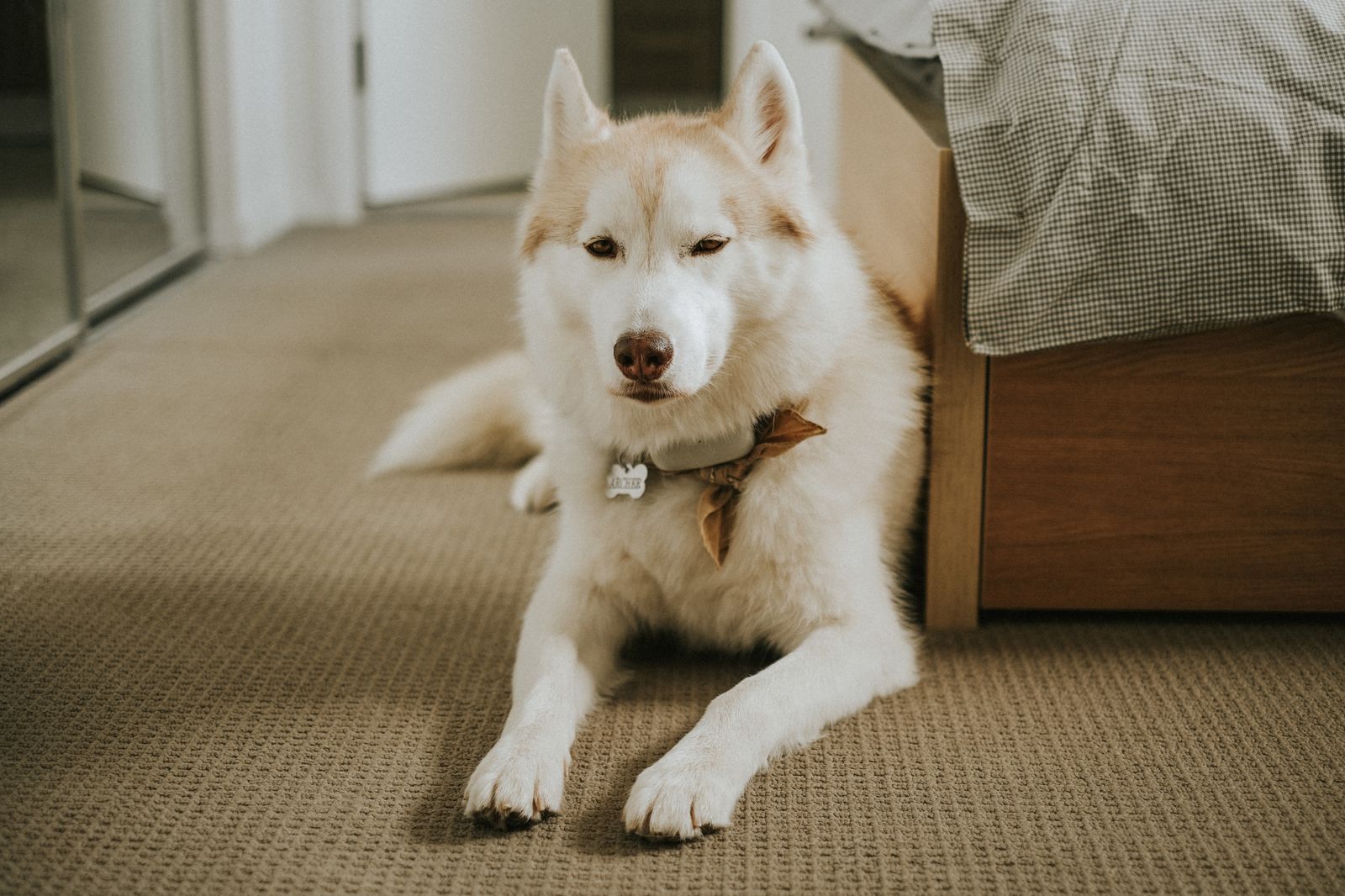
New Zealand's pet rules for rentals started on 1 December 2025. Since then, tenants have been able to ask to keep a pet, landlords have had to answer within 21 days, and landlords can charge a pet bond of up to two weeks' rent. RNZ reported more than 1,700 pet bonds had been lodged within the first few months.
Nearly everything written about the change covers the start of a tenancy: how to ask, what counts as a reasonable refusal, what the pet bond is. Very little covers the end, and the end is where most of the money moves. Any 12-month lease signed with a pet bond last December or January finishes this summer, in the busiest moving months of the year.
Below we cover moving out with a pet: why the pet bond doesn't limit what you can owe, which bond pays first, when you must book a professional carpet clean, how the law treats fleas, and what that work costs in Auckland. We're Servy, an Auckland booking app for cleaners, movers and lawn and garden providers. The legal points come from the Residential Tenancies Act and Tenancy Services, and the prices from Auckland businesses' own websites, all linked as we go.
Your pet bond doesn't cap what you owe
The pet bond is two weeks' rent at most, so plenty of tenants assume that's the most a pet can cost them. The Act says otherwise.
The Residential Tenancies Act 1986 puts damage into two groups. Section 49B(2) and (3) cover damage you cause carelessly, such as dropping a pot plant on the floor or burning the benchtop. If the landlord has insurance, your liability is capped at the lower of the insurance excess and four weeks' rent.
Pet damage isn't in that group. Section 49B(1)(c) lists damage that results from "keeping a pet on the premises" alongside damage done on purpose, and none of the damage in that subsection is capped. Tenancy Services' pet damage page says it directly: for damage on or after 1 December 2025, tenants are responsible for damage beyond fair wear and tear, with no cap stated.
So the same scratch on a rimu floor is treated two ways. If your chair leg did it, you pay no more than the insurance excess or four weeks' rent. If your dog did it, you can be liable for the full cost of the repair.
The liability is shared, too. Tenancy Services says every tenant on the agreement is responsible for pet damage, even if the pet belongs to just one of them. If you're in a flat where one person's cat shredded the curtains, everyone named on the lease is on the hook for the cost.
Which bond pays first
Most pet owners now have two bonds lodged with Tenancy Services: the general bond (up to four weeks' rent) and the pet bond (up to two weeks). They aren't one combined pool. Section 77(2)(kaa) of the Act sets the order the Tenancy Tribunal uses:
- The general bond can be used for pet damage only once the pet damage is more than the pet bond.
- The pet bond can be used for anything else, such as rent arrears, cleaning or non-pet damage, only once that debt is more than the general bond.
On a $650-a-week Auckland rental, with a $2,600 general bond and a $1,300 pet bond, the order plays out like this (illustrative numbers, not a real case):
| What's owed at move-out | Paid from pet bond | Paid from general bond | Refunded to you |
|---|---|---|---|
| $400 of pet damage only | $400 | $0 | $900 pet bond + $2,600 general bond |
| $1,800 of pet damage only | $1,300 | $500 | $2,100 of the general bond |
| $350 cleaning shortfall only | $0 | $350 | $1,300 pet bond + $2,250 general bond |
| $350 cleaning + $400 pet damage | $400 | $350 | $900 pet bond + $2,250 general bond |
Two practical points come out of the table. A clean house protects your general bond even if the pet did some damage. And a landlord can't take an ordinary cleaning claim from your pet bond while there's still general bond to cover it.
When a professional carpet clean is compulsory
Our end of tenancy cleaning guide says a professional carpet clean is usually only needed when the carpet is dirtier than when you moved in. Pets are the main exception.
Section 42G of the Act lists conditions a landlord may attach when they agree to a pet. One example in the Act itself is a condition that, if the pet is allowed inside, "the carpets in the premises" are "cleaned to a professional standard at the end of the tenancy." If that condition is in your tenancy agreement or in the landlord's written consent, the carpet clean is required whatever the carpet looks like on your last day. A thorough vacuum won't do.
So before you book anything, find two documents: your tenancy agreement and the landlord's written pet consent. Section 42E requires that consent to be in writing and to list any conditions. Check for:
- a professional carpet cleaning condition
- any flea treatment condition
- any other condition, such as repairing deck mats or removing temporary fencing.
Any condition must be reasonable "having regard to the nature of the premises and the type of pet", under section 42G(1). A carpet-clean condition for an indoor dog is hard to argue against, because the Act names it as an example.
Whoever does the clean, keep the invoice. The Act doesn't define "professional standard", so a dated invoice from a carpet cleaning business is your simplest evidence if the landlord disputes it.
Fleas count as pet damage
Tenancy Services gives one example of indirect pet damage: "fleas or pests" brought in by a pet that cause an infestation. That falls under the uncapped pet-damage rule above. If the next tenant moves in and finds fleas, and the landlord can link them to your pet, the cost of treatment can come out of your pet bond.
Some Auckland pest control websites tell renters that a flea treatment with a compliance certificate is "legally required". We couldn't find any such requirement. The word "flea" doesn't appear anywhere in the Residential Tenancies Act. A flea treatment becomes compulsory in one of two ways: it's a condition of your pet consent, or there's an infestation you're liable for as pet damage.
The first Tenancy Tribunal decision under the new rules shows how these conditions come about. In May 2026, the Tribunal overruled a Christchurch landlord who had refused a golden labrador puppy in an upstairs flat. RNZ's report says the conditions included a two-week pet bond, deck mats, a barrier on the railings, and professional carpet cleaning and flea treatment at the end of the tenancy. The tenants had offered most of those conditions themselves, and the adjudicator found that the landlord should have considered them before saying no.
If your landlord didn't set a flea condition, a treatment before you leave is still cheap insurance when your pet has had fleas during the tenancy. A $200 treatment costs much less than a dispute over a $300 one charged later, plus the time spent arguing about where the fleas came from.
What carpet cleaning and flea treatment cost in Auckland
These are prices published by Auckland businesses on their own websites, checked in October 2026. Prices change, and some of these pages may not be current, so confirm before you book.
| Service | Business | Published price |
|---|---|---|
| Carpet steam clean | CleanPlus | From $35 per room |
| Carpet steam clean, standard 3-bedroom house | Payless Pest Control | $180 + GST ($207) |
| Carpet cleaning tasks posted in Auckland | Airtasker | $60 to $380, by size of job |
| Flea treatment, standard 3-bedroom house | Payless Pest Control | $180 + GST ($207) |
| Flea treatment, average 2-bedroom home | WC Pest Control | From $180 + GST ($207) |
| Flea treatment | Bug King | From $310 |
For a typical three-bedroom rental with an indoor dog or cat, budget around $400 to $550 for a carpet clean and a flea treatment together, on top of the general end-of-tenancy clean. Compare that with the pet bond on a $650-a-week rental: $1,300.
Some pest control companies also clean carpets. If you're booking both, ask whether they'll do both in one visit and how they want to order the two jobs.
Damage from before 1 December 2025
If your pet lived at the property before the new rules started, one transitional rule matters a lot. Under clause 48 of Schedule 1AA of the Act, the new uncapped liability applies to any pet damage the landlord "becomes aware of on or after" 1 December 2025, "unless the tenant proves that the damage or destruction occurred before" that date.
That puts the burden of proof on you. Old pet damage is still covered by the old, capped rules, but only if you can show it happened before 1 December 2025. In practice, that means finding:
- your move-in inspection report and photos
- any routine inspection reports from 2025 (landlords and property managers often photograph every room)
- dated photos on your phone that show the floor, door or carpet in question.
Do this before the final inspection, not after the landlord files a claim. At a hearing, dated photos and inspection reports carry far more weight than your memory of when a scratch appeared.
Fair wear and tear still applies
You still don't pay for an old carpet wearing out. Section 49A(2) says a tenant is "not, in any case, liable for fair wear and tear", and that applies to pet owners too. Light traffic marks, slight fading and normal ageing aren't pet damage just because there's a dog in the house.
Tenancy Services' examples of direct pet damage are scratched floors, chewed fittings and stained carpets. The test is whether the damage goes beyond what ordinary living would cause. If you disagree with a landlord's claim, you can refuse to sign the bond refund form and apply to the Tenancy Tribunal. Our guide to bond-clean disputes explains how the Tribunal process works and how to search past decisions.
A move-out plan for pet owners
- Two to three weeks out: Find your tenancy agreement, the written pet consent and your move-in report. List every pet condition.
- Two weeks out: Book the end-of-tenancy clean, the carpet clean and, if needed, the flea treatment. Late January and February are the busiest moving months in Auckland (our bond data analysis shows when the peak falls), so book early.
- Before the cleaners arrive: Remove pet bedding, bowls, litter trays, toys and any outdoor waste. Fill dog-dug holes in the lawn. If you were responsible for the lawn and garden, our rental garden guide covers what that includes.
- After the work is done: Take dated photos of every room, especially floors, door frames and carpets. Keep every invoice.
- At the final inspection: Walk through with the landlord or property manager. If they point out pet damage, ask them to put it in writing with an amount.
- When the bond refund form arrives: Check that pet damage is being taken from the pet bond first and other costs from the general bond, as section 77(2)(kaa) requires.
Servy's cleaners do end-of-tenancy cleans across Auckland at a fixed price shown before you book. Carpet steam cleaning and flea treatment are specialist jobs, so book a carpet cleaner or pest controller for those, using the price checks above. If you want the general clean handled, see how Servy's house cleaning works.