Asbestos and the Odd Job: What You, or Anyone You Hire, Can Legally Remove
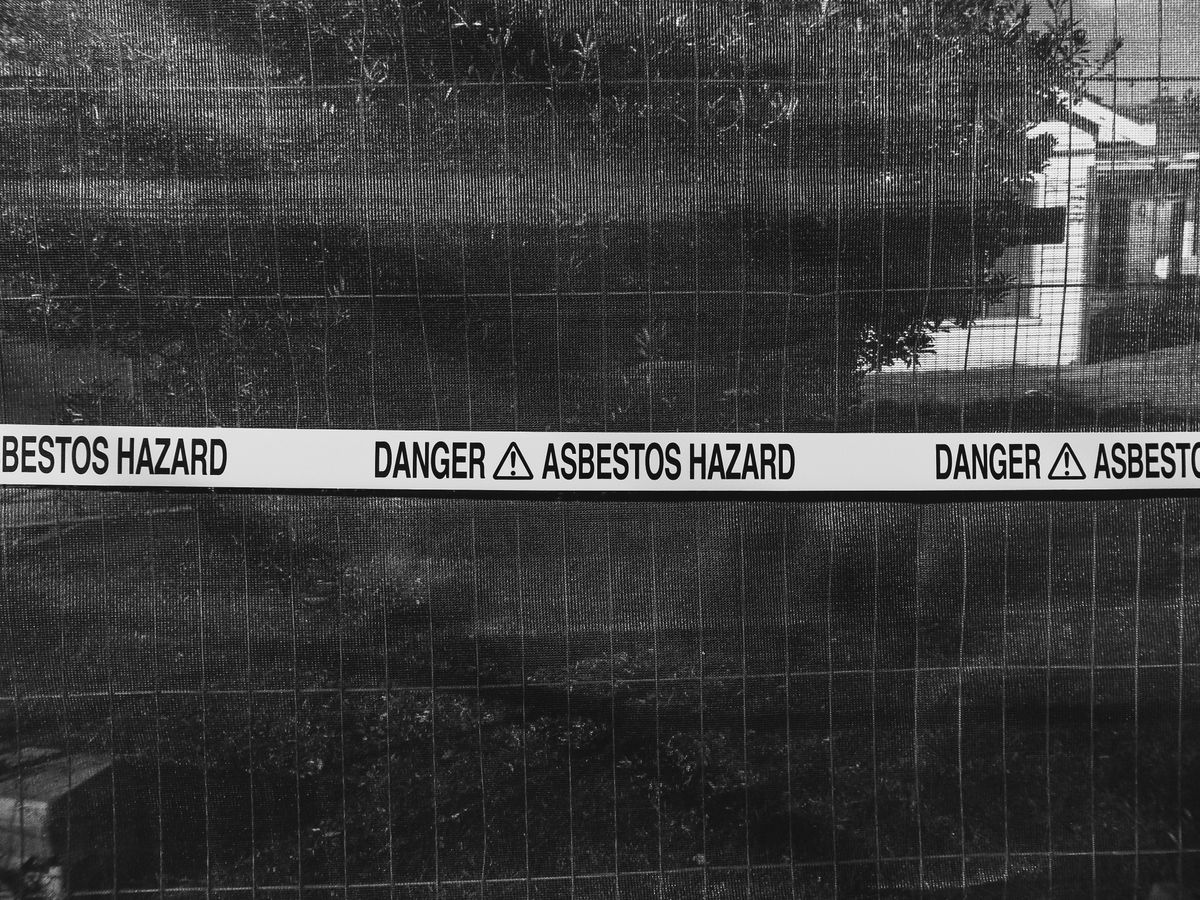
If your home was built before 1 January 2000, WorkSafe's position is that it may contain asbestos, and for a big slice of Auckland's housing stock that's not a maybe. Asbestos cement turns up in fence panels, soffits, roof sheeting, wall cladding, textured ceilings, and the backing of old vinyl flooring. Which means the version of this problem most people meet is a Saturday job: someone waterblasting an old fence, a handyman asked to pull down a shed lining, a garage cleanout that turns up broken "fibrolite" sheets. Almost everyone who's looked into it has heard there's a 10 square metre rule. Fewer people have read what it actually says, and the details change who's allowed to do what.
What the 10 square metre rule actually says
The rule lives in the Health and Safety at Work (Asbestos) Regulations 2016. Regulation 27 requires anyone commissioning asbestos removal to use a licensed removalist, with one exception: the job involves, "cumulatively over the whole course of the removal project for the site, 10 m² or less of non-friable asbestos". Three details in that sentence do the real work.
First, cumulative per project. You don't get 10 m² per day or per visit. A 12 m² fence taken down over two weekends is a licensed job, full stop, and splitting an invoice in half doesn't change that.
Second, non-friable only. Non-friable means the fibres are bound in a solid matrix, like intact asbestos cement sheet. Friable asbestos is anything that crumbles under hand pressure, which covers old pipe lagging and also bonded sheet once it's been crushed or weathered to the point of crumbling, and it has no unlicensed allowance at any quantity.
Third, the part nearly every summary skips: staying under 10 m² doesn't make it an anyone-can-do-it job. Regulation 27(3) says even the small job must be done by "a competent person who has been trained" in asbestos work in accordance with the regulations' training requirements. The exception removes the licence, not the competence.
Above the threshold, the licensing classes take over: removing more than 10 m² of non-friable asbestos needs at least a Class B licence, and friable asbestos needs Class A. Getting this wrong is an offence with fines in the regulations of up to $10,000 for an individual and $50,000 otherwise.
Why the rules bite harder on the person you hire than on you
The regulations are workplace law. They bind PCBUs, persons conducting a business or undertaking, and WorkSafe's own removal guidelines state they "are not intended for people who are not a PCBU (such as homeowners and residential tenants)". A homeowner scraping their own shed sits outside most of that framework, which is why WorkSafe's homeowner guidance discourages doing it yourself rather than prohibiting it.
The moment money changes hands, the framework switches on. A handyman you pay is a PCBU, your property becomes their workplace, and every limit above applies to them personally: licence over 10 m², training under it, and duties in the regulations to identify asbestos before refurbishment or demolition work on a home. So the question "can I get my handyman to just take those old sheets to the tip" has a different legal answer than "can I do it myself", and a provider who shrugs and offers to chuck it on the trailer is telling you something about what else they'll skip. The health argument, for the record, doesn't care whose name is on the invoice. WorkSafe discourages DIY removal outright, on the grounds that untrained removal is dangerous and can turn a cheap job into an expensive decontamination. Asbestos-containing products haven't even been legally importable without a permit since 2016; the entire remaining problem is the material already in our houses.
You can't tell by looking, and the council won't test it for you
WorkSafe is blunt on identification: the only way to confirm a material is asbestos is to test a sample, and sampling should be done by a reputable contractor. Painted asbestos cement and painted fibre cement look the same on a fence line. Auckland Council states outright that it does not provide an asbestos testing service for the public, so budget for a private sample test before anyone cuts, drills, sands or waterblasts a pre-2000 surface. Waterblasting deserves its own warning: it's the classic way a stable, low-risk fence becomes a contaminated section, because it strips bound fibres into a wet slurry that dries and goes airborne.
In Auckland, disposal is the hard half of the job
The practical trap for small DIY removals: Auckland's transfer stations do not accept asbestos. Not wrapped, not double-bagged, not a single sheet. The council's guidance is to use a professional removal company for disposal, and it points to WorkSafe's register of licence holders. It also warns against the two shortcuts people reach for: never burn asbestos material, and never put it in household rubbish or a skip bound for a normal facility. That's the same illegal-dumping territory, with the same liability chain, covered in our guide to Auckland's rubbish and dumping rules, except the cleanup involves contamination protocols instead of a council truck.
So a realistic budget for "just a few old sheets" is: a sample test, then either a licensed removalist who takes the waste with them, or, if you genuinely are in under-10 m² DIY territory, a disposal plan confirmed with a facility that will actually accept the material before you start, not after it's stacked on your driveway.
What to ask before booking the work
For any General Labour job on a pre-2000 property that touches cladding, fences, soffits, linings, or old flooring, ask two questions up front: has this material been tested, and who is removing and disposing of it under what licence. A good provider on Servy's General Labour listings will either carry the right answer or tell you the job needs a licensed removalist first, the same way an honest handyman knows where their legal limits sit on electrical and plumbing work. Demolition and stripping work around asbestos is one of the few home jobs where the cheapest quote can be the most expensive thing you ever buy.
Sources: